
If you’ve recently come into a structured settlement, you might be wondering how to make the most of your payout options. Choosing the right way to receive your money can have a big impact on your financial security and peace of mind.
Whether you’re considering a lump sum, periodic payments, or a mix of both, understanding your options is key to making smart decisions. You’ll discover the different structured settlement payout choices available and learn which one could work best for your unique situation.
Keep reading to take control of your financial future with confidence.
What Is A Structured Settlement
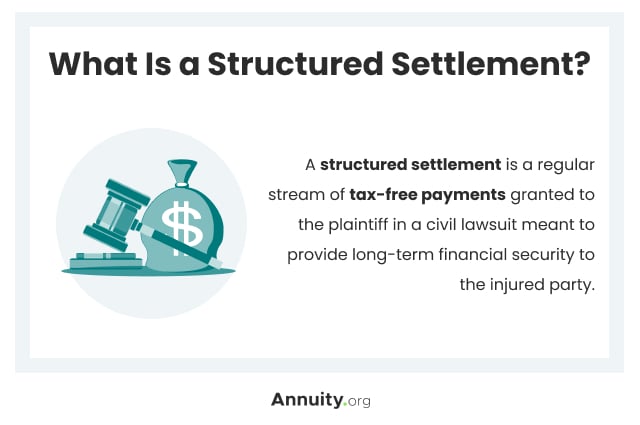
A structured settlement is a legal agreement. It pays money over time instead of a lump sum. This usually happens after an injury or lawsuit. The money helps with medical bills and living costs. Payments are made in regular amounts, like monthly or yearly. This method gives a steady income for many years.
Structured settlements are often tax-free. This means you do not pay taxes on the money received. The payments can last for a set time or for life. Some agreements allow changes if needed. This setup helps people manage money safely and avoid spending it too fast.
Common Payout Options
Lump Sum payout gives all money at once. It is simple and fast but money can run out if not managed well.
Periodic Payments give money in parts over time. This helps with steady income and budgeting.
Deferred Payments start after a set time. This option delays payouts, useful for future needs.
Life Income pays money for life. It ensures income will last as long as the person lives.
Fixed Period and Amount pay a set sum regularly for a fixed time. It gives clear, predictable income for a set term.
Tax Benefits Of Structured Settlements
Structured settlements offer important tax benefits. The payments received are usually tax-free under federal law. This means the money you get from your settlement does not count as taxable income.
Receiving money over time helps avoid large tax bills. You don’t have to report each payment as income. This can protect your overall tax bracket and keep more money in your pocket.
In contrast, lump sum payouts can lead to higher taxes. Getting all money at once may push you into a higher tax bracket. This means you could pay more taxes on your settlement.
Structured settlements also help with financial planning. Since payments are spread out, you can better manage your expenses and savings. The tax-free status adds extra value to your long-term financial security.
Comparing Lump Sum And Structured Settlements
Lump sum payments give all the money at once. This helps with big immediate expenses like paying off debts or buying a house. But the money can run out fast if not managed well.
Structured settlements pay money over time. This helps with steady expense management like monthly bills or ongoing medical costs. It reduces the risk of spending all money too soon.
Investing a lump sum can grow money faster but needs knowledge and risk tolerance. Structured payments are safer since the money is guaranteed over years.
| Option | Financial Advantages | Expense Management | Investment Considerations |
|---|---|---|---|
| Lump Sum | Full amount immediately | Needs strict budgeting | Potential for higher returns, higher risk |
| Structured Settlement | Steady income over time | Easy to plan expenses | Lower risk, guaranteed payments |
How To Maximize Financial Freedom
Choosing the right payout option depends on your financial goals and needs. Lump sum payments offer immediate access to money but may lead to quick spending. Structured settlements provide steady payments over time, helping you manage expenses better. Fixed periodic payments ensure a predictable income, while life income options last as long as you live, offering security. Interest-only payouts delay principal repayment but provide regular interest income.
Timing your payments carefully is important. Spreading payments over years can cover future costs like medical bills or education. Receiving smaller amounts now and more later helps avoid running out of money. Consider your current and future financial needs before deciding on payment schedules.
Using structured settlements for long-term security protects you from sudden financial problems. Regular payments can cover daily living expenses and unexpected emergencies. They also avoid large tax bills since payments are often tax-free. Structured settlements can help build a steady financial foundation for years.
Selling Your Structured Settlement
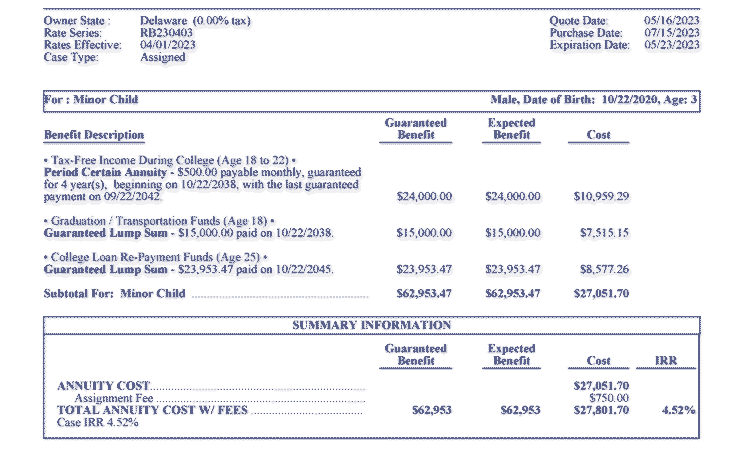
Selling a structured settlement can provide a large sum of money upfront. This option suits those needing immediate cash for emergencies or big expenses. Some people sell when they want to pay off debt or invest in something important.
The selling process starts with a buyer making an offer. The seller reviews the offer carefully. A court must approve the sale to protect the seller’s rights. After approval, the seller gets the agreed lump sum, and the buyer receives future payments.
There are risks to consider. Selling means losing steady monthly income. The lump sum received is usually less than the total future payments. Some sellers face fees and taxes. It is important to weigh these factors before deciding.
Tips For Managing Structured Settlement Payments
Budgeting your income is key to managing structured settlement payments well. Track your monthly payments and list all expenses. Prioritize bills and essentials first. Set aside some money for savings or emergencies. Avoid spending all your payments quickly. Small, regular payments can last longer than a lump sum.
Planning for taxes helps avoid surprises. Some structured settlement payments are tax-free, but check your specific case. Keep good records of all payments and documents. Consult a tax professional to understand your tax duties. Pay estimated taxes if needed to avoid penalties.
Protecting your financial future means making smart choices. Use part of your payments to pay off debts. Consider investing some money for growth. Avoid risky investments or loans that can cause trouble. Talk to a financial advisor to make a clear plan. Stay patient and careful with your money.

Frequently Asked Questions
How Are Structured Settlements Paid Out?
Structured settlements pay out through scheduled periodic payments. These payments can be monthly, quarterly, semi-annually, or annually. Payouts may start immediately, be spread over time, or be deferred based on the agreement terms. This ensures steady, tax-free income tailored to the claimant’s needs.
What Are The Four Most Common Settlement Options?
The four most common settlement options are lump sum, interest only, life income, and fixed period payments.
How Much Of A $25k Settlement Will I Get?
The amount you receive from a $25,000 settlement depends on fees, taxes, and payment structure. Typically, expect 60-80% after deductions.
Is It Better To Get A Lump Sum Or Structured Settlement?
Choosing between a lump sum and structured settlement depends on your financial needs. Lump sums offer immediate access to all funds. Structured settlements provide guaranteed, tax-free payments over time, reducing risk and ensuring steady income. Structured settlements often yield more value through interest and financial discipline.
Conclusion
Choosing the right structured settlement payout option matters a lot. Some prefer steady payments over time for security. Others want a lump sum for immediate needs. Each option has pros and cons to consider carefully. Think about your financial goals and future expenses.
Always seek advice from a trusted expert before deciding. Understanding your choices helps you make smarter decisions. This ensures your settlement supports you well over time.
Read More
- Product Liability Verdict Examples: Shocking Wins & Key Insights
- Injury Medical Record Review: Essential Tips for Accurate Analysis
- Expert Medical Witness Fees: Ultimate Guide to Fair Pricing
- Civil Injury Lawsuit Process: Step-by-Step Guide to Win Your Case
- Independent Medical Exam Claim: Maximize Your Benefits Today
- Medical Malpractice Verdict Search: Uncover Winning Case Results Fast
- Average Lawsuit Settlement Value: What You Need to Know Today
- Personal Injury Verdict Amounts: Shocking Cases and Top Payouts
- Injury Settlement Demand Letter: Essential Tips for Maximum Compensation
- Workplace Injury Court Awards: Maximizing Your Compensation Today