
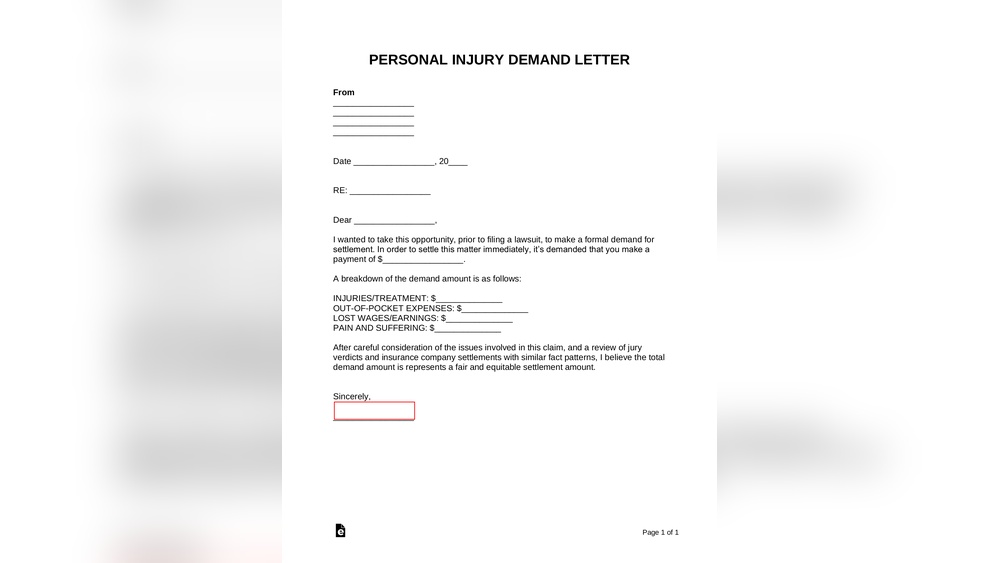
If you’ve been injured in an accident, you might be wondering how to get the compensation you deserve. That’s where an injury settlement demand letter comes in.
This letter is your first and most powerful step in asking for a fair settlement from the responsible party or their insurance company. Writing a strong, clear demand letter can make a huge difference in how quickly and successfully your case moves forward.
You’ll learn exactly what an injury settlement demand letter is, why it matters, and how to craft one that puts you in the best position to win the compensation you need. Keep reading—your recovery and peace of mind could depend on it.
Purpose Of A Demand Letter
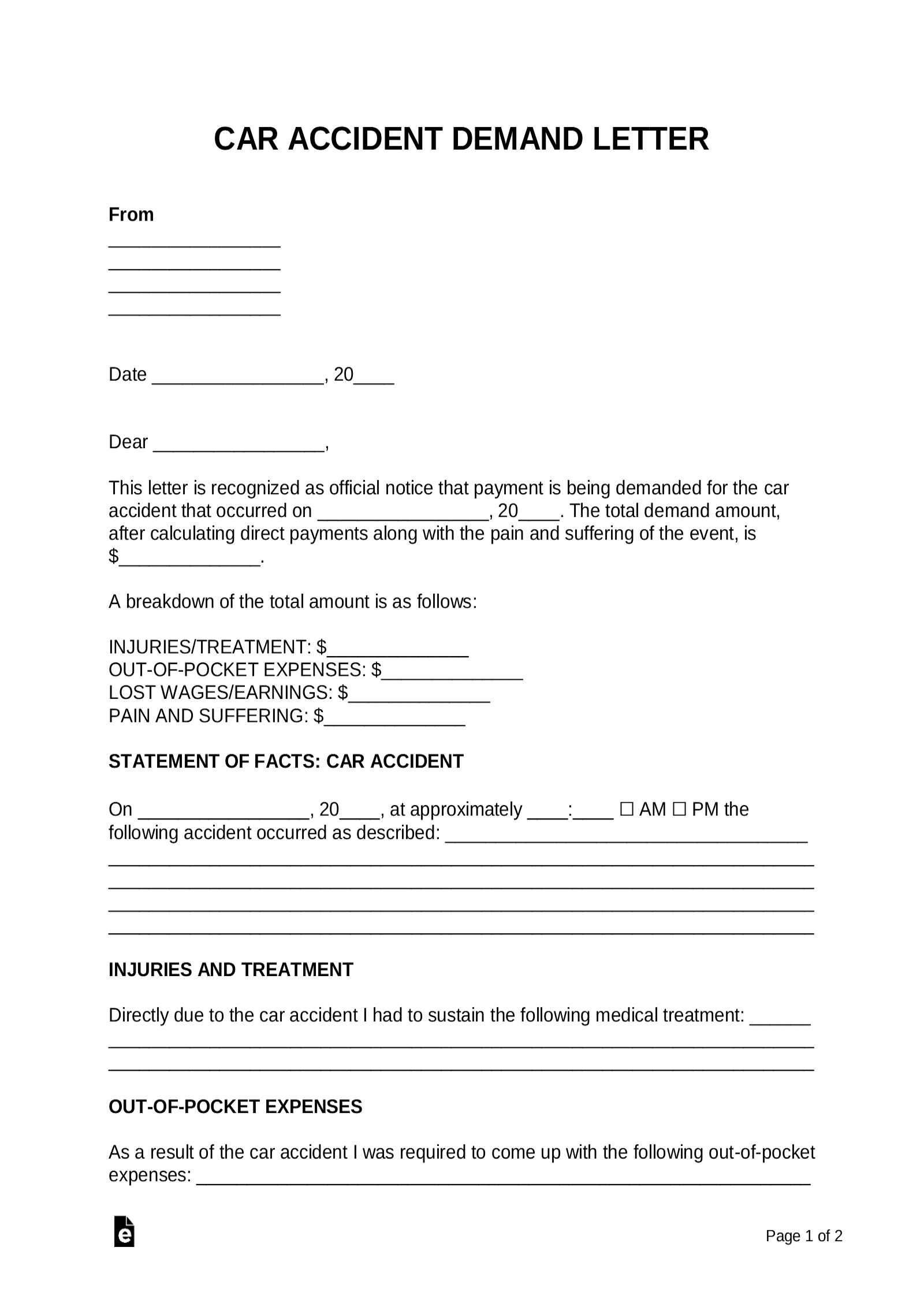
A demand letter plays a key role in settlement talks. It clearly states the injuries, damages, and the amount of money requested. Insurance companies use this letter to understand the claim’s value. It helps them decide how much to offer.
The letter shows the strength of your case and your seriousness about settling. It can speed up negotiations. Insurance adjusters review the letter to check facts and decide their response.
Without a demand letter, insurance companies might delay or deny claims. It acts as a formal start to discussion. It gives both sides a chance to agree without going to court.
Key Components To Include
Accident Summary must clearly describe what happened. Include date, time, and place. Describe how the accident caused the injury. Keep it simple and factual.
Detailed Injury Description shows all injuries and pain. Explain how the injuries affect daily life. Mention any lasting effects or disabilities.
Medical Treatment Documentation includes doctor reports, bills, and prescriptions. Attach all medical records to prove injury seriousness. This helps show the cost and care needed.
Proof of Lost Wages is important if injuries stopped work. Provide pay stubs, employer letters, or tax returns. Show how much income was lost due to injury.
Liability Evidence proves who is responsible. Include photos, witness statements, or police reports. This supports your claim that the other party caused the accident.
Effective Writing Strategies
Use clear and simple words. Avoid long sentences and complex terms. Short sentences help the reader understand quickly. Write in a way that is easy to follow. Keep your language direct and to the point.
Maintain a professional tone throughout the letter. Stay polite and respectful, even if you are frustrated. Do not use slang or casual phrases. A respectful tone helps build trust and shows seriousness.
Avoid common mistakes like exaggeration or vague statements. Do not include opinions or guesses. Stick to facts and evidence only. Be careful not to make threats or demands that sound harsh.
What not to say: Avoid blaming words or insults. Do not admit fault or apologize. Stay away from emotional language or personal attacks. Focus on the injury and the need for fair settlement.
Timing And Process
Send the demand letter after gathering all important documents. This includes medical bills, proof of lost wages, and accident details. Usually, the letter is sent once medical treatment is complete or stable.
The settlement process can take several weeks to a few months. Insurance companies review the demand and may make a counteroffer. Patience is key during this time as negotiations can be slow.
After sending the letter, follow up if you do not get a response in 2 to 3 weeks. Keep records of all communications. If needed, be ready to provide more information or negotiate further.
Maximizing Compensation
Calculating pain and suffering involves estimating the physical and emotional impact of an injury. Use a multiplier of medical costs or daily rate times days affected. Keep records of all symptoms and emotional distress for accuracy.
Future medical expenses must include ongoing treatments, therapy, and medications. Consult healthcare providers for estimates. Document these costs clearly to support your claim and avoid surprises in negotiations.
Supporting evidence strengthens your demand letter. Include medical reports, bills, photos of injuries, and witness statements. Clear proof helps show the seriousness of your injuries and justifies your compensation amount.
- Be clear and concise in your letter.
- Set a reasonable settlement amount based on facts.
- Remain polite but firm during negotiations.
- Respond promptly to any offers or questions.
- Consider professional advice if negotiations stall.
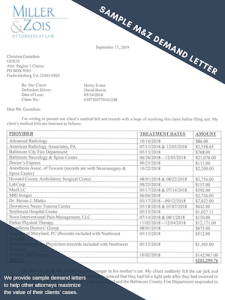
Sample Demand Letter Insights
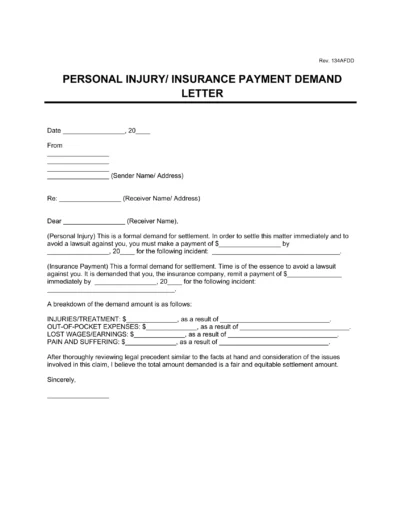
Structure and Format: Start with a clear introduction stating the purpose. Include a brief summary of the accident. List injuries and medical treatments received. Add proof of lost wages or other costs. Use short paragraphs and simple sentences. End with a clear demand for compensation and a deadline for response.
Effective Phrases to Use: “I suffered injuries due to your negligence.” “Medical bills total $X.” “Lost wages amount to $Y.” “Pain and suffering have caused distress.” “Please respond within 30 days.” These phrases keep the letter clear and professional.
Common Pitfalls to Avoid: Avoid exaggerations or vague claims. Do not include threats or emotional language. Avoid missing important facts or dates. Do not forget to attach copies of all supporting documents. Keep the tone polite and firm to maintain credibility.
Legal Considerations In Texas
Texas law has specific rules for injury settlement demand letters. The letter must follow state laws to be valid. Important is the statute of limitations, which sets a deadline to file claims. In Texas, personal injury claims usually have two years from the injury date to file.
Working with a personal injury attorney helps meet legal requirements. Attorneys know how to write demand letters that clearly state the injury and damages. They can gather all necessary documents like medical records and proof of lost wages. This increases the chance of a fair settlement.
| Legal Aspect | Details |
|---|---|
| State-Specific Rules | Must follow Texas laws for demand letters |
| Statute of Limitations | Typically 2 years to file injury claim |
| Attorney Role | Helps prepare strong, clear demand letters |
Frequently Asked Questions
How Long Does It Take For A Settlement After A Demand Letter Is Sent?
Settlement after sending a demand letter typically takes 30 to 60 days. Timing varies based on case complexity and negotiation speed.
How Much Will I Get From A $50,000 Settlement?
From a $50,000 settlement, expect deductions for attorney fees, medical bills, and taxes. Your final amount varies by case.
Is A Demand Letter Serious?
A demand letter is serious because it formally requests compensation and starts settlement negotiations. It shows intent to resolve legally.
What Not To Say In A Demand Letter?
Avoid threats, insults, or admitting fault in a demand letter. Do not exaggerate damages or use vague language. Stay professional and stick to facts.
Conclusion
Writing a clear injury settlement demand letter helps start fair negotiations. It shows your injuries, costs, and what you seek. Keep the letter simple and focused on facts. Avoid emotions or unclear statements that can weaken your case. A well-prepared letter may speed up the settlement process.
Always keep copies of all documents and communications. Taking these steps improves your chances for a fair outcome. Stay patient and organized during negotiations to protect your rights.
Read More
- Product Liability Verdict Examples: Shocking Wins & Key Insights
- Injury Medical Record Review: Essential Tips for Accurate Analysis
- Expert Medical Witness Fees: Ultimate Guide to Fair Pricing
- Civil Injury Lawsuit Process: Step-by-Step Guide to Win Your Case
- Independent Medical Exam Claim: Maximize Your Benefits Today
- Medical Malpractice Verdict Search: Uncover Winning Case Results Fast
- Average Lawsuit Settlement Value: What You Need to Know Today
- Personal Injury Verdict Amounts: Shocking Cases and Top Payouts
- Workplace Injury Court Awards: Maximizing Your Compensation Today
- Future Medical Cost Damages: Maximizing Compensation Strategies