

If you’ve ever faced a personal injury claim, you know how crucial medical records are to your case. But have you ever wondered what goes into reviewing those records?
Injury medical record review is the key to unlocking the full story behind your injury. It helps you understand the details of your treatment, the severity of your condition, and how it all connects to your accident. This process can make or break your case, influencing everything from settlement amounts to courtroom outcomes.
You’ll discover why a thorough medical record review matters, how it works, and how it can protect your rights. Keep reading to find out how to turn your medical records into your strongest ally.
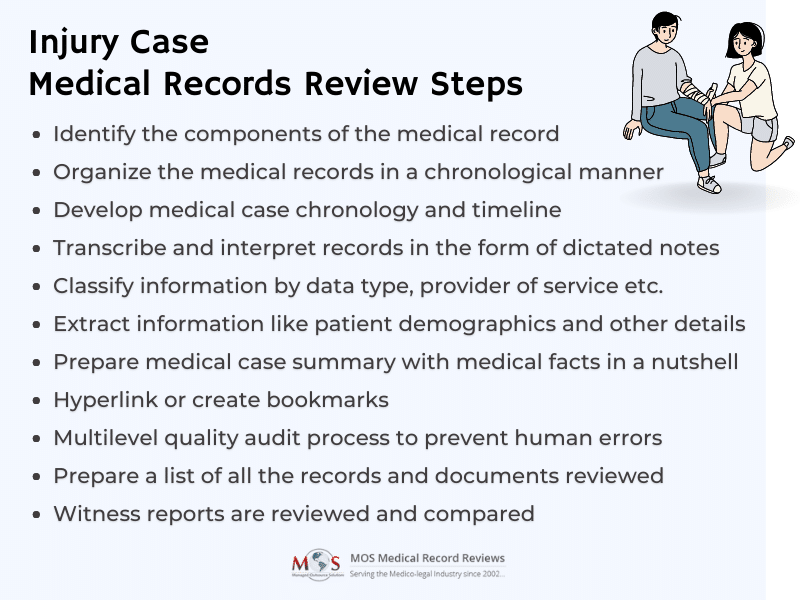
Purpose Of Medical Record Review
Medical record review helps lawyers understand injury details clearly. It supports legal cases by organizing important health information. Reviewers check records to find facts that help prove or defend claims.
Injury analysis looks at how the injury happened and its effects. This helps show the link between the accident and the harm. It also helps estimate the injury’s impact on daily life and work.
Evaluating treatment chronology means tracking all medical care steps. This shows if treatments were timely and proper. It also highlights any gaps or changes in care that matter for the case.
Key Elements To Analyze
Injury dates and timelines help track when injuries happened and their progression. Accurate timelines show how quickly treatment started and if delays affected recovery. Keeping dates clear avoids confusion in legal cases.
Diagnosis accuracy is vital. The medical record must clearly state the injury type and severity. Incorrect or vague diagnoses can weaken claims or affect treatment plans. Precise diagnosis supports stronger case outcomes.
Treatment records detail all care steps. These include doctor visits, therapies, and tests. They show if treatments followed medical standards. Well-documented care proves the injury’s impact and the effort to heal.
Surgical and medication details explain any operations and drugs used. Surgery notes clarify procedures and success rates. Medication lists show prescribed drugs and dosages. This info helps understand injury seriousness and recovery support.
Common Challenges In Review
Incomplete documentation makes it hard to understand the full story. Missing pages or unclear notes cause delays. Reviewers may need to request extra records, which slows the process.
Medical jargon can confuse readers who are not experts. Terms like “contusion” or “hematoma” need simple explanations. Without clear language, key facts might be missed or misinterpreted.
Conflicting information appears when records disagree. Different doctors may report varying details about the injury. This inconsistency requires careful comparison and judgment to find the truth.
Tips For Accurate Analysis
Organizing medical records in a clear order helps find important details fast. Group records by date, type, and provider. Use labels or folders to keep track. This saves time during review and avoids missed facts.
Cross-referencing means checking facts across all documents. Look for matching dates, treatments, and notes. It ensures consistency and reveals hidden information. This step strengthens the accuracy of your analysis.
Noting discrepancies is key. Mark any differences or contradictions in reports. These might show errors or areas needing more investigation. Keep a list of discrepancies to discuss with experts.
Consulting medical experts helps clarify confusing points. They can explain complex terms and treatment effects. Their input improves understanding and supports stronger conclusions in injury cases.
Tools And Technologies
AI-powered review software helps analyze medical records quickly. It finds key facts and highlights important details. This software saves time and reduces errors.
Medical chronology solutions organize events by date. They create timelines that show the order of treatments and injuries. These timelines make case reviews easier and clearer.
Document management systems store and manage files securely. They allow easy access to records anytime. These systems keep documents safe and well organized.
Role Of Legal Professionals
Paralegals organize and summarize medical records. They identify key facts and important dates. Their work helps attorneys understand the case faster. They also prepare reports that highlight injuries and treatments.
Attorneys focus on medical details that affect case outcomes. They look for evidence of injury severity and treatment adequacy. They check if medical care matches the injury claims. This helps build a strong argument for the client.
Legal professionals work closely with medical experts. Experts explain complex medical terms and treatments. They provide opinions on injury causes and effects. This teamwork ensures accurate case evaluation and better legal strategies.
Best Practices For Documentation
Clear summaries help focus on the main points of the injury case. They make complex information easier to understand for everyone involved. Summaries should be brief but cover all critical details.
Accurate chronologies organize events by date and time. This helps show how injuries developed and how treatments were given. A clear timeline supports a strong case.
Highlighting key findings draws attention to important medical facts. These facts often influence decisions in legal cases. Use bold or underlined text to make these points stand out.

Impact On Case Outcomes
Identifying strengths and weaknesses in medical records helps lawyers build strong cases. Clear evidence supports claims, while gaps may weaken them. Careful review spots important injuries and treatments missed earlier. This insight guides legal strategy and advice.
Supporting settlement negotiations relies on accurate medical facts. Detailed records show injury impact and recovery time. This helps lawyers argue for fair compensation. Well-prepared medical summaries make negotiations smoother and faster.
Enhancing trial preparation requires thorough understanding of medical details. Reviewing records helps find key witnesses and expert opinions. It uncovers facts to challenge opposing claims. This preparation increases chances of success in court.
Frequently Asked Questions
What Is A Medical Record Review?
A medical record review involves analyzing a patient’s health documents to support legal or medical decisions. It identifies case strengths, weaknesses, and relevant medical facts.
What Are The 5 Components Of Emr?
The five components of EMR are patient demographics, medical history, progress notes, medications, and test results. These elements ensure complete and organized patient records.
How Long Does It Take A Lawyer To Review Medical Records?
A lawyer typically takes several hours to a few days to review medical records, depending on their length and complexity.
Is Medicalrecords.com Legit?
Medicalrecords. com is a legitimate platform offering reliable medical record review services for legal and insurance cases.
Conclusion
A thorough injury medical record review helps clarify key health details. It supports accurate case evaluation and fair settlements. Reviewing records carefully can reveal important facts that impact outcomes. Clear medical information guides lawyers and clients through complex claims. Trusting the review process ensures stronger legal preparation and better results.
Read More
- Product Liability Verdict Examples: Shocking Wins & Key Insights
- Expert Medical Witness Fees: Ultimate Guide to Fair Pricing
- Civil Injury Lawsuit Process: Step-by-Step Guide to Win Your Case
- Independent Medical Exam Claim: Maximize Your Benefits Today
- Medical Malpractice Verdict Search: Uncover Winning Case Results Fast
- Average Lawsuit Settlement Value: What You Need to Know Today
- Personal Injury Verdict Amounts: Shocking Cases and Top Payouts
- Injury Settlement Demand Letter: Essential Tips for Maximum Compensation
- Workplace Injury Court Awards: Maximizing Your Compensation Today
- Future Medical Cost Damages: Maximizing Compensation Strategies