
If you’re dealing with an injury claim, you might hear about something called an Independent Medical Exam (IME). But what exactly is it, and how can it affect your claim?
Understanding an IME is key to protecting your rights and making sure your claim gets the fair outcome you deserve. Whether you’re filing for workers’ compensation, personal injury, or disability benefits, knowing what to expect from an Independent Medical Exam can make all the difference.
Keep reading to learn how an IME works, why it’s important, and how you can prepare to face it confidently. Your claim’s success could depend on it.

What Is An Independent Medical Exam
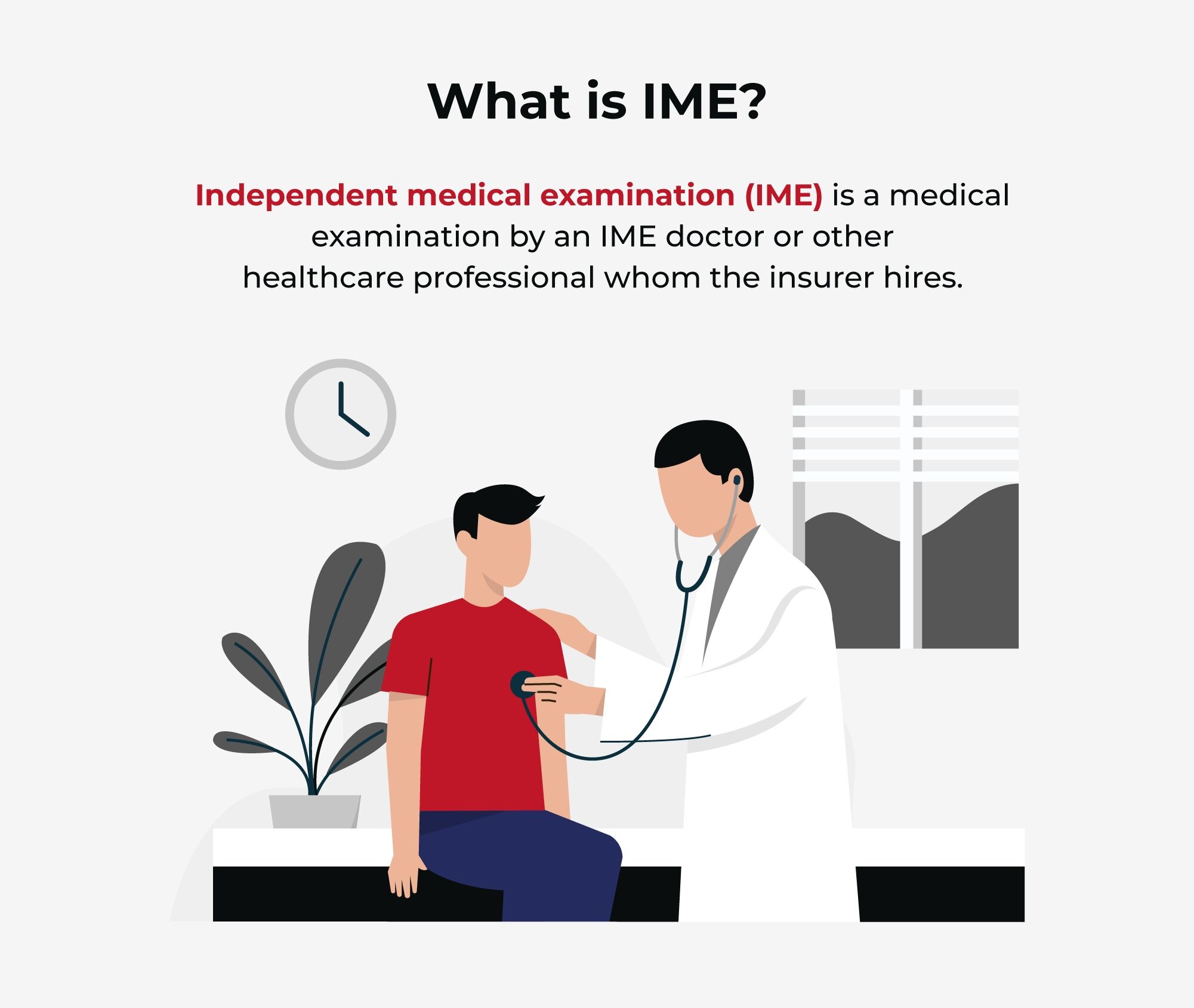
An Independent Medical Exam (IME) is a medical evaluation done by a doctor not involved in your regular care. Its purpose is to give a neutral opinion about your health or injury. This exam helps decide if your injury claim is valid and how serious it is.
Insurance companies, employers, or lawyers usually request the IME. They want an unbiased report to help with a claim or legal case. The doctor reviews your medical records and may do a physical exam. This exam is not for treatment but for evaluation only.
The IME differs from regular medical visits because it focuses on facts for claims. Regular visits aim to treat and help you get better. The IME doctor does not provide treatment or personal care. The exam is mainly to check your condition and write a report.
When To Expect An Independent Medical Exam
Independent Medical Exams (IMEs) usually happen at specific points in a claim. They often occur after you file a claim but before it is settled. This exam helps insurance companies check the facts of your injury.
Common claim situations include workers’ compensation, car accidents, and personal injury cases. Insurance or legal rules might require an IME to verify your condition.
The timing depends on the claim’s progress. Sometimes, it happens early to decide if the claim is valid. Other times, it happens later to confirm how serious the injury is.
Legal and insurance triggers can include disputes about your injury or treatment. The insurance company might ask for an IME to get a second opinion. Courts can also order one during a lawsuit.
Preparing For Your Exam
Gather all your medical records before the exam. Include doctor notes, test results, and prescriptions. These documents help the examiner understand your health history clearly.
Bring your ID, insurance card, and any forms given by the insurance company. Also, carry a list of current medications and any pain you feel. This information supports your case.
Wear clean, comfortable clothes. Avoid heavy makeup or strong scents. Dress neatly to create a good impression. Be polite and calm during the exam. Your behavior matters.

What Happens During The Exam
The examiner will perform several tests and procedures to assess your health. These can include a physical exam, range of motion checks, and neurological tests. You may also have to describe your pain and symptoms in detail.
During the exam, expect to answer questions about your medical history and how your injury affects daily life. The examiner will ask about your work, activities, and any treatments you have tried.
The examiner uses this information to form an independent opinion about your condition. They review your records, test results, and your answers carefully. This evaluation helps decide on the validity and extent of your claim.
After The Exam
After the exam, you will receive a detailed report from the doctor. This report explains the doctor’s opinion about your injury or condition. It is sent to the insurance company and your lawyer.
The report can strongly affect your claim. If the doctor agrees with your injury, your claim may get approved faster. But if the report shows no injury or a minor one, the insurance company might deny your claim or offer less money.
If the report has unfavorable findings, do not panic. You or your lawyer can ask for more tests or a second opinion. Sometimes, you can provide new evidence to challenge the report. Acting quickly is important to protect your rights.
Maximizing Your Benefits
Preparing well for an Independent Medical Exam (IME) can help your claim. Be honest and clear about your symptoms. Bring all medical records and documents. Dress comfortably and arrive on time. Stay calm and answer only what is asked. Avoid exaggerating or downplaying your condition. This can build a stronger case.
Working closely with your attorney improves your chances. They can explain the process and help gather evidence. Lawyers can spot errors or unfair treatment during the exam. They also ensure your rights are protected. Keep your attorney updated about any new symptoms or changes in your health.
Disputes or denials are common but can be challenged. Collect all medical reports and doctor notes. Ask your attorney to review the exam results carefully. You may request a second opinion or another independent exam. Filing an appeal or complaint might be necessary. Persistence and good documentation often lead to better outcomes.
Common Challenges And How To Handle Them
Biased examiners can affect the fairness of your independent medical exam. Some examiners may favor the insurance company’s side. Always request a different doctor if you suspect bias. Keep notes and ask for a copy of the exam report.
Inaccurate medical reports can harm your claim. Check the report carefully for mistakes or missing information. Ask your own doctor to review the report. If errors are found, request corrections or a second opinion.
Appealing decisions requires careful steps. Gather all medical records and evidence. Write a clear letter explaining why you disagree with the decision. You can ask for a new exam or to meet with a judge. Stay calm and follow deadlines to improve chances of success.
Independent Medical Exams In Texas
Texas has specific rules for Independent Medical Exams (IMEs). These rules guide how exams are scheduled and who pays for them. The state requires that IMEs be done fairly and by qualified doctors. It protects patients from unfair treatment during these exams.
Several local resources can help with IME claims in Texas. Legal aid offices and workers’ compensation boards offer support and advice. These organizations explain the process and help you understand your rights.
Finding a qualified IME doctor is important. Look for doctors who are licensed in Texas and experienced with IMEs. Many doctors specialize in specific injuries or conditions. Choosing the right doctor ensures a thorough and fair exam.
Frequently Asked Questions
What Is An Independent Medical Exam (ime) Claim?
An IME claim involves a medical evaluation by a neutral doctor. It helps verify injury or disability in insurance or workers’ compensation cases. The exam supports fair decisions on claims by providing unbiased medical opinions.
Who Requests An Independent Medical Exam Claim?
Insurance companies, employers, or legal representatives usually request an IME. They seek an impartial medical assessment to confirm or dispute injury claims. The goal is to ensure claims are accurate and justified.
How Does An Ime Affect My Medical Claim?
An IME can confirm or challenge your injury severity and treatment needs. It may impact claim approval or settlement amounts. Attending the exam honestly and prepared is crucial for a fair evaluation.
Can I Choose The Doctor For An Independent Medical Exam?
Typically, the insurance company selects the IME doctor. The doctor must be impartial and qualified. You can request to reschedule or raise concerns if you believe bias exists.
Conclusion
An Independent Medical Exam claim plays a key role in injury cases. It offers a fresh medical opinion that helps clarify your health status. Preparing well for this exam can impact your claim’s outcome. Knowing what to expect reduces stress and builds confidence.
Stay honest and provide clear information during the exam. Understanding the process helps protect your rights and interests. This exam is one part of your claim journey. Approach it calmly and stay focused on your recovery.
Read More
- Product Liability Verdict Examples: Shocking Wins & Key Insights
- Injury Medical Record Review: Essential Tips for Accurate Analysis
- Expert Medical Witness Fees: Ultimate Guide to Fair Pricing
- Civil Injury Lawsuit Process: Step-by-Step Guide to Win Your Case
- Medical Malpractice Verdict Search: Uncover Winning Case Results Fast
- Average Lawsuit Settlement Value: What You Need to Know Today
- Personal Injury Verdict Amounts: Shocking Cases and Top Payouts
- Injury Settlement Demand Letter: Essential Tips for Maximum Compensation
- Workplace Injury Court Awards: Maximizing Your Compensation Today
- Future Medical Cost Damages: Maximizing Compensation Strategies