

Have you ever wondered how much your personal injury case might be worth? Whether you’ve been hurt in a car accident, slip and fall, or any other mishap, knowing what to expect from a personal injury verdict amount can make a big difference.
Your recovery isn’t just about healing—it’s also about getting the compensation you deserve to cover medical bills, lost wages, and more. But how do courts decide on these amounts? And what factors influence the final verdict? You’ll discover how personal injury verdict amounts are calculated, what typical settlements look like, and how you can make sure your case gets the attention it deserves.
Keep reading to get the insights you need to take control of your claim and maximize your compensation.
Shocking Personal Injury Cases
Highest verdicts in history often reach tens or hundreds of millions of dollars. These cases usually involve severe injuries or wrongful death. Large amounts reflect long-term suffering and future care costs. Some verdicts surprise because they are much higher than expected.
Unusual circumstances can cause large payouts. For example, cases with hidden evidence or deliberate cover-ups. Sometimes, new facts emerge that change the case’s value. These facts can push verdicts to record levels.
Cases involving gross negligence often get big awards. Gross negligence means extreme carelessness or reckless behavior. Courts want to punish this and warn others. Punitive damages add to the total payout in such cases.
Top Payouts By Injury Type
Car accident settlements often reach high amounts due to serious injuries. Common payouts cover hospital bills, lost wages, and pain. Cases with permanent disability or death usually get larger sums.
Medical malpractice awards can be very large. They compensate for wrong treatment or misdiagnosis. These cases often involve long hospital stays and lifelong care costs.
Workplace injury verdicts usually pay for medical care and lost income. Severe injuries, like amputations, increase payout amounts. Workers’ compensation laws also affect settlements.
Product liability cases protect consumers from dangerous products. Payouts cover injuries from faulty devices or chemicals. Large verdicts occur if many people are hurt.
Factors Influencing Verdict Amounts
Severity of injuries strongly affects verdict amounts. More serious injuries usually mean higher compensation. This includes broken bones, brain injuries, or permanent damage.
Medical expenses and future care are key. All past and expected medical bills count. If a person needs long-term care, the verdict will reflect that.
The impact on lifestyle and earning capacity also matters. If injuries stop someone from working, the compensation will increase. Loss of enjoyment and daily activities is considered too.
Degree of negligence influences the case. If the other party is clearly at fault, the award tends to be larger. Shared fault can lower the amount.
Jurisdiction and jury tendencies differ by location. Some courts give higher awards than others. Jury attitudes toward injury claims can also change verdict amounts.

Average Personal Injury Settlements
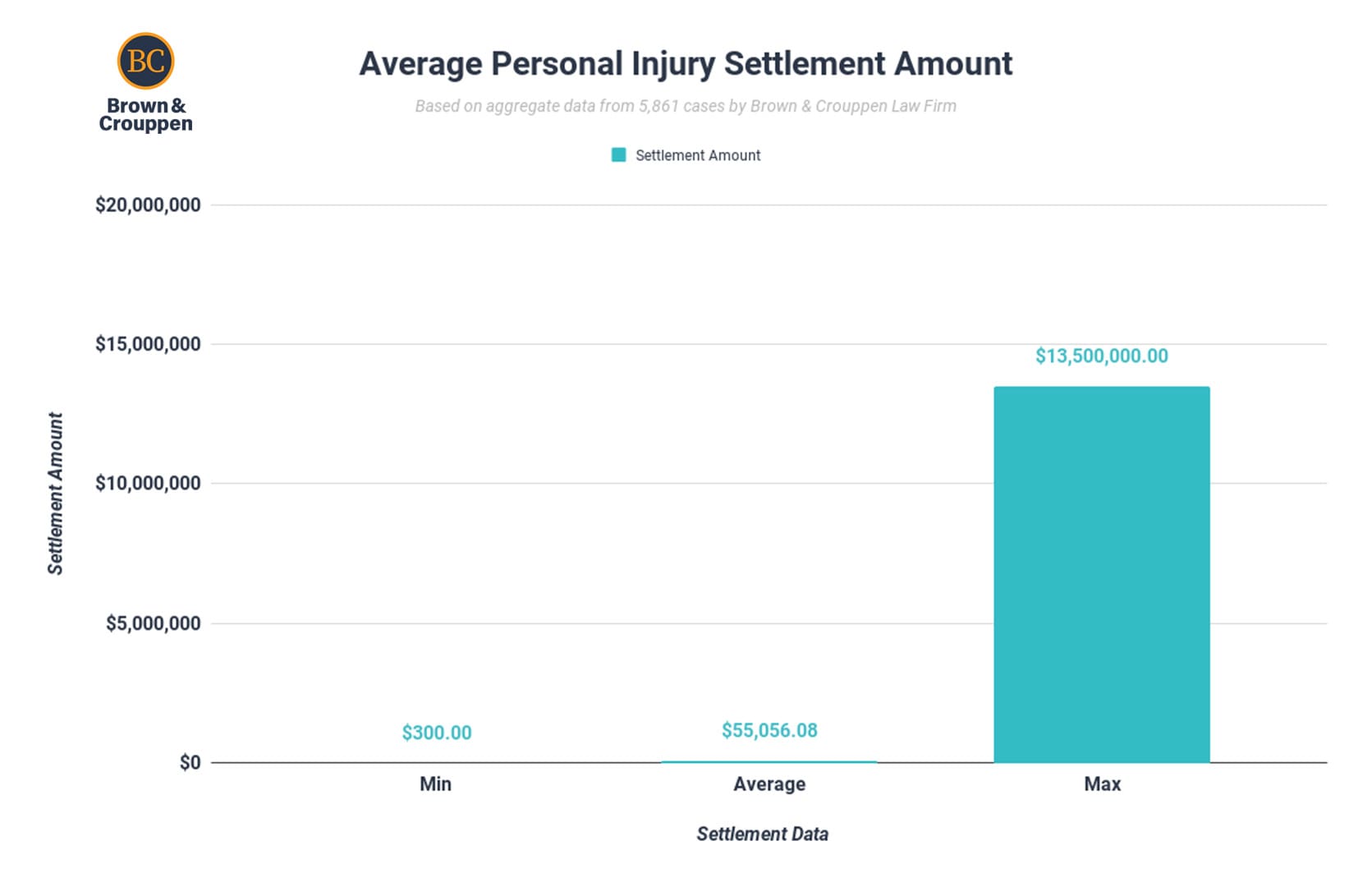
National settlement averages for personal injury cases vary widely. Most settlements range from $10,000 to $50,000, depending on injury severity and case details. Minor injuries often settle for less, while serious injuries can reach six figures or more. The average settlement reflects factors like medical bills, lost wages, and pain.
Texas-specific data shows slightly different trends. Settlements here can be higher due to local laws and court decisions. Texas cases often average between $30,000 and $75,000. Urban areas like Austin may see larger verdicts than rural regions. Insurance policies and defendant resources also impact amounts.
| Case Type | Average Settlement Amount |
|---|---|
| Car Accidents | $20,000 – $60,000 |
| Slip and Fall | $10,000 – $30,000 |
| Medical Malpractice | $50,000 – $200,000+ |
| Workplace Injuries | $15,000 – $50,000 |
Settlement amounts differ greatly by case type. More complex injuries or negligence typically yield higher payouts. Simple cases settle faster but for less money. Each case is unique, affected by evidence and negotiation strength.
Calculating Settlement Values
Damages in personal injury cases include medical bills, lost wages, and pain suffered. Emotional distress and property damage also count. Each case is unique, so amounts vary widely.
Settlement calculators help estimate case values. They use factors like injury type, treatment costs, and fault. These tools provide rough numbers, not exact offers.
Having legal representation is important. Lawyers understand laws and negotiate better settlements. They gather evidence and explain your rights. This can lead to higher compensation.
Insurance Company Strategies
Insurance companies use many strategies to minimize payouts. They first assess claims by reviewing medical records, bills, and police reports. They often question the severity of injuries to lower claim values.
Common tactics include delaying the claim process, offering low initial settlements, and suggesting the claimant was partly at fault. Insurers may also request extensive documentation to slow down payments.
Claimants should gather all medical evidence and keep detailed records. Staying calm and polite during negotiations helps. Presenting clear facts and avoiding exaggeration increases the chance of a fair offer. Consulting a personal injury lawyer can also improve negotiation results.
Lessons From Landmark Cases
Legal precedents set by landmark personal injury cases greatly influence verdict amounts today. Courts often refer to these cases to decide fair compensation. These decisions shape how judges and juries calculate damages for pain, suffering, and lost wages.
Changes in personal injury law reflect new social and economic realities. Laws adapt to protect victims better and ensure just settlements. Sometimes, these changes lower or raise the typical verdict amounts depending on the case type.
The impact on future settlements can be significant. Lawyers use past verdicts as a guide to negotiate with insurance companies. This helps victims get settlements that reflect the true value of their injuries. Courts and attorneys watch these precedents closely to maintain consistency in rulings.

Frequently Asked Questions
How Much Will I Get From A $50,000 Settlement?
From a $50,000 settlement, expect to receive about $35,000 to $40,000 after legal fees and expenses. Taxes may reduce this further.
What To Do With A $500,000 Settlement?
Invest $500,000 settlement in debt repayment, emergency fund, retirement accounts, and diversified investments. Consult a financial advisor.
How Much Do Most Personal Injury Cases Settle For?
Most personal injury cases settle between $10,000 and $50,000, depending on injury severity and damages.
How Much Will I Get From A $25,000 Settlement?
From a $25,000 settlement, expect to receive approximately $15,000 to $20,000 after legal fees and expenses.
Conclusion
Personal injury verdict amounts vary widely based on many factors. Each case is unique, with different injuries and evidence. Courts consider medical bills, lost wages, and pain suffered. Knowing typical verdict ranges helps set realistic expectations. Always consult a qualified lawyer to understand your case value.
Being informed empowers you to make better decisions. Stay patient, as legal processes can take time. Your focus should remain on recovery and fair compensation.
Read More
- Product Liability Verdict Examples: Shocking Wins & Key Insights
- Injury Medical Record Review: Essential Tips for Accurate Analysis
- Expert Medical Witness Fees: Ultimate Guide to Fair Pricing
- Civil Injury Lawsuit Process: Step-by-Step Guide to Win Your Case
- Independent Medical Exam Claim: Maximize Your Benefits Today
- Medical Malpractice Verdict Search: Uncover Winning Case Results Fast
- Average Lawsuit Settlement Value: What You Need to Know Today
- Injury Settlement Demand Letter: Essential Tips for Maximum Compensation
- Workplace Injury Court Awards: Maximizing Your Compensation Today
- Future Medical Cost Damages: Maximizing Compensation Strategies