
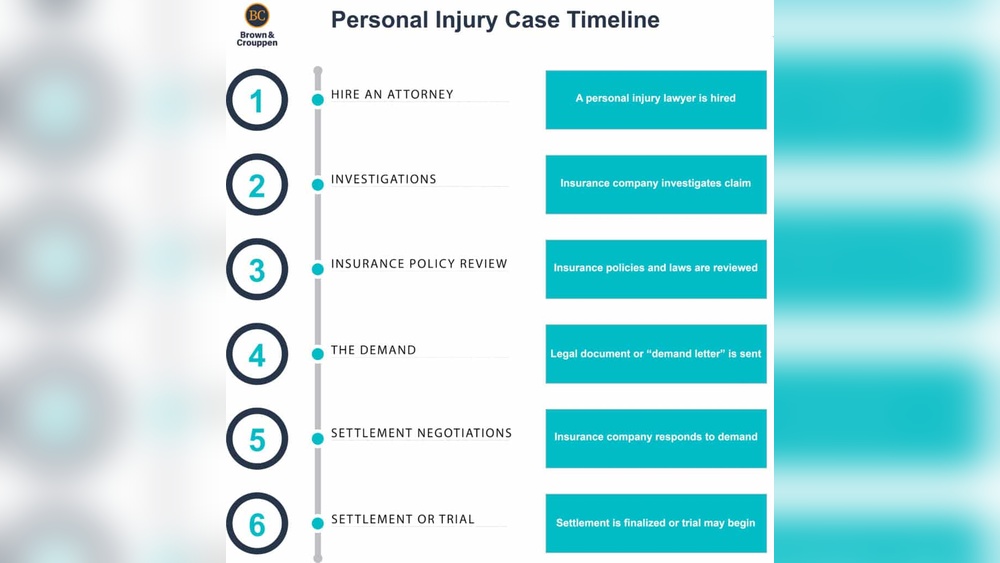
If you’ve been hurt and are thinking about a civil injury lawsuit, understanding the process can make a huge difference. You might feel overwhelmed by legal terms and unsure about what comes next.
That’s normal. But knowing the key steps ahead can help you stay confident and in control of your case. This guide will walk you through the civil injury lawsuit process in clear, simple language so you know exactly what to expect—every step of the way.
Keep reading to learn how to protect your rights and get the compensation you deserve.
Filing The Complaint
Preparing the Complaint involves writing a clear statement of facts. It explains what happened and what the plaintiff wants. The complaint must follow court rules and include all needed details. It is important to be precise and complete to avoid delays.
Serving the Defendant means giving the defendant a copy of the complaint and a summons. This step officially notifies the defendant about the lawsuit. The papers must be delivered properly, usually by a sheriff or a professional server. Proof of service is filed with the court.
Response from Defendant is the defendant’s chance to reply. They can admit, deny, or claim not enough information to answer. Usually, the defendant files an answer within a set time, often 20 or 30 days. Sometimes, they may file motions to dismiss before answering.
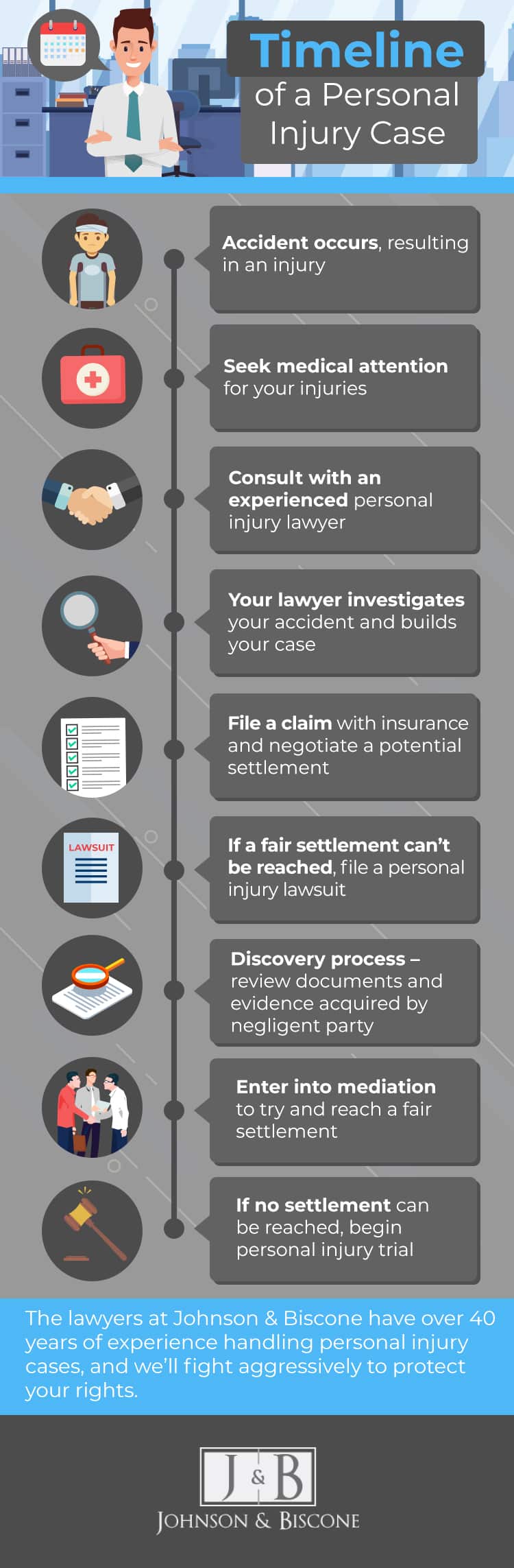
Pretrial Motions
Motion to Dismiss asks the court to end the case early. It claims the lawsuit has no legal basis. This motion saves time by avoiding a full trial if the claim lacks evidence or law support. Judges review this motion before deciding if the case moves forward.
Motion for Summary Judgment asks the court to decide the case without a trial. It happens after facts are clear and no disputes remain. This motion shows there is no need for a trial because one side has strong proof. Judges grant summary judgment when evidence clearly favors one party.
Discovery Phase
The discovery phase is key to any civil injury lawsuit. It involves gathering evidence from both sides. This helps build a strong case.
Interrogatories are written questions one party sends to the other. Answers must be given under oath. This clarifies facts and details about the injury and events.
Depositions are live, sworn testimonies recorded outside the courtroom. Lawyers ask questions directly to witnesses or parties. This allows a clear view of their story and memory.
Requesting documents means asking for papers like medical records, bills, or contracts. These prove injury details, costs, and liability. Both sides share relevant documents honestly.

Settlement Negotiations
Evaluating settlement offers requires careful thought. Not all offers are fair. Consider how much money you need to cover medical bills and lost wages. Look at the strength of your evidence. Sometimes, a quick deal is better than a long trial. Think about the risks of going to court. Your lawyer can help explain the pros and cons. Never rush into accepting an offer. Take your time to decide what is best for you.
Mediation and alternative dispute resolution are ways to settle without a full trial. A neutral person, called a mediator, helps both sides talk. They try to find a fair solution that both agree on. These methods save time and money. They also keep things private. Many civil injury cases end this way. It is less stressful than going to court. Both sides get a chance to speak and listen.
Trial Preparation
Jury selection is the first step in trial preparation. Lawyers ask questions to find fair and impartial jurors. Both sides want jurors who will listen carefully and decide honestly.
Opening statements set the scene for the trial. Each lawyer explains their side of the story clearly and simply. This helps the jury understand the case’s main points.
Presenting evidence is a key part of the trial. This can include documents, photos, or objects that prove a fact. Evidence must be real and relate to the case directly.
Witness testimony allows people to share what they saw or know. Witnesses answer questions from both lawyers. Their stories help the jury decide what really happened.
Trial Process
Cross-examination is the phase where lawyers ask questions to the opposing side’s witnesses. This helps to find out if their story is true or if there are mistakes. It can show if witnesses are honest or forgetful.
Closing arguments are the last chance for lawyers to speak to the jury. They explain the most important facts and why their side should win. It sums up the whole case clearly and simply.
Jury deliberation means the jury talks privately to decide the case. They discuss the evidence and try to agree on a verdict. The verdict is the final decision about who wins the lawsuit.
Post-trial Actions
Post-trial motions ask the court to change or review its decision. Common motions include motion for a new trial or motion to alter judgment. These motions must be filed within a specific time after the trial ends. Courts decide if these motions have merit before finalizing the case.
The appeals process allows a party to ask a higher court to review the trial court’s decision. Appeals focus on legal mistakes, not new facts. The appellate court can affirm, reverse, or remand the case. This process takes several months to years depending on complexity and court schedules.

Tips To Strengthen Your Case
Documenting injuries and damages is crucial for your lawsuit. Take clear photos of injuries and any property damage. Keep all medical records, bills, and receipts safe. Write down how the injury affects your daily life. This evidence builds a strong case.
Expert witnesses can help explain technical details to the court. They provide opinions that support your claims. Choose experts with good experience and clear communication skills. Their testimony often influences the judge or jury.
Stay organized and responsive throughout the process. Keep all documents in one place. Respond quickly to requests from your lawyer or the court. Missing deadlines or losing papers can hurt your case. Good organization shows you are serious and prepared.
Frequently Asked Questions
How Much Will I Get From A $50,000 Settlement?
From a $50,000 settlement, expect to receive the amount minus attorney fees, medical bills, and taxes. Exact payout varies.
What Is The Hardest Injury To Prove?
The hardest injury to prove often involves soft tissue damage like whiplash or chronic pain. These lack visible evidence. Courts require clear medical records and expert testimony to confirm such injuries. Without concrete proof, claims may face skepticism or dismissal.
What Are Signs Of A Good Settlement Offer?
Signs of a good settlement offer include fair compensation covering medical bills and lost wages. It resolves your claim quickly and avoids trial risks. The offer matches or exceeds case value and includes clear, reasonable terms. It reflects strong evidence and legal advice.
What To Do With A $500,000 Settlement?
Invest in a diversified portfolio, pay off high-interest debt, and save for emergencies. Consider consulting a financial advisor.
Conclusion
Understanding the civil injury lawsuit process helps you stay prepared and informed. Each step matters, from filing the complaint to the final judgment. Patience and attention to details can improve your chances of success. Always keep clear records and communicate well with your lawyer.
The process may seem long, but knowing what to expect reduces stress. Stay focused on your goal and follow the legal steps carefully. This approach can help you reach a fair outcome.
Read More
- Product Liability Verdict Examples: Shocking Wins & Key Insights
- Injury Medical Record Review: Essential Tips for Accurate Analysis
- Expert Medical Witness Fees: Ultimate Guide to Fair Pricing
- Independent Medical Exam Claim: Maximize Your Benefits Today
- Medical Malpractice Verdict Search: Uncover Winning Case Results Fast
- Average Lawsuit Settlement Value: What You Need to Know Today
- Personal Injury Verdict Amounts: Shocking Cases and Top Payouts
- Injury Settlement Demand Letter: Essential Tips for Maximum Compensation
- Workplace Injury Court Awards: Maximizing Your Compensation Today
- Future Medical Cost Damages: Maximizing Compensation Strategies