
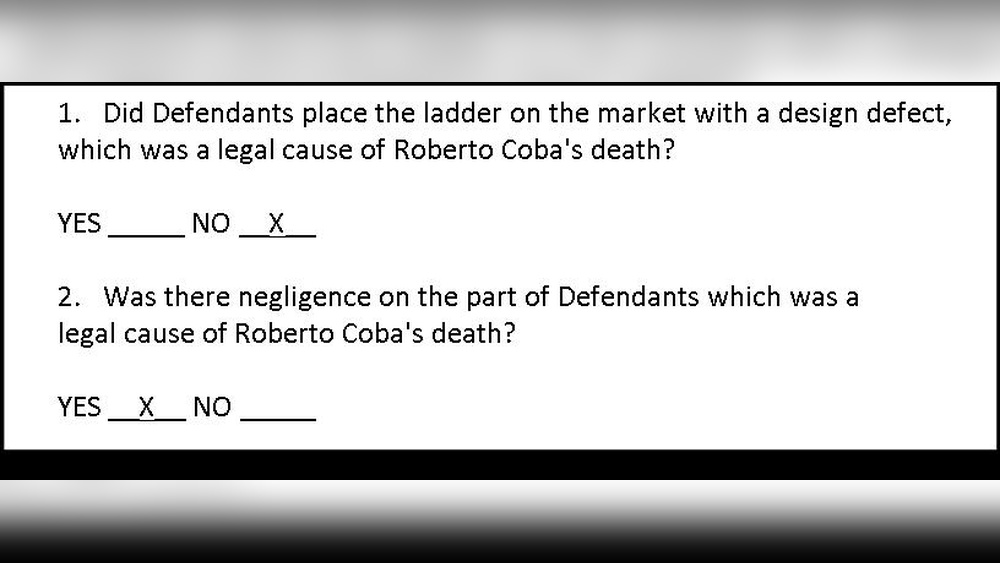
Have you ever wondered what happens when a product causes harm? Understanding real product liability verdict examples can help you see how the law protects you—and what it takes to win a case.
Whether you’re a consumer, a business owner, or just curious, knowing these verdicts can give you a clear picture of what justice looks like in action. You’ll discover eye-opening cases where victims stood up against defective products and won significant settlements or verdicts.
Keep reading to learn how these examples might relate to your own situation and why they matter more than you think.
Notable Verdicts
High-profile wins often involve well-known brands and large sums. These cases gain attention due to the impact on many people. Plaintiffs win damages for injuries caused by faulty products. Examples include car defects, dangerous drugs, and unsafe machines.
Nuclear verdicts are huge awards, usually over $10 million. They send a strong message to companies about safety. These verdicts often happen when negligence is clear. The jury wants to punish the company and prevent future harm.
| Case Type | Description | Example |
|---|---|---|
| High-Profile Wins | Well-known brands with large damage awards | Car recalls, faulty medical devices |
| Nuclear Verdicts | Massive jury awards, often $10M+ | Severe injury or death cases |
| Record-Breaking Cases | Highest payouts in history for product harm | Multi-million dollar settlements |

Types Of Product Defects
Design flaws mean the product is unsafe by its very plan. These defects exist before the product is made. For example, a chair with weak legs that break easily is a design flaw. Such flaws can cause harm even if the product is made exactly as designed.
Manufacturing errors happen during making the product. The design is safe, but something goes wrong in the process. A toy missing a safety part or a phone with faulty wiring shows manufacturing errors. These mistakes can make the product dangerous.
Marketing deficiencies involve wrong or missing information about the product. This includes bad instructions, lack of warnings, or false claims. If a medicine label doesn’t warn about side effects, that is a marketing defect. Proper information helps users stay safe.
Common Injury Claims
Medical expenses cover hospital bills, doctor visits, and medicines. These costs can be very high after an injury caused by a faulty product. Insurance may not pay all charges, so victims seek compensation.
Lost wages happen when injured people cannot work. Time off work means no income. Compensation helps cover money lost during recovery. This is important for families relying on that income.
Pain and suffering refers to the physical and emotional hurt caused by injury. It includes pain, stress, and loss of enjoyment in life. Courts often grant money to help victims cope with these hardships.

Legal Strategies
Proving negligence requires showing the product maker failed to act safely. Evidence must demonstrate the product was unsafe. Clear facts help prove the company ignored safety rules.
Establishing liability means linking the harm to the product defect. The injured person must show the defect caused their injury. This can be done by comparing safe products to the faulty one.
Experts often help explain complex product issues. Using expert witnesses strengthens the case. They provide clear opinions about product safety and how defects lead to harm. Their statements are important for the jury’s understanding.
Impact On Manufacturers
Product recalls often follow verdicts that show a product is unsafe. Manufacturers must act fast to remove these products from shelves. This helps protect customers and avoid further legal trouble.
Compliance changes are common after a verdict. Companies update their rules and standards to meet safety laws. This reduces chances of future lawsuits and keeps products safer.
Risk management improves as companies learn from verdicts. They check their designs, materials, and processes more closely. Careful planning helps prevent defects and protects the company’s reputation.
Settlement Trends
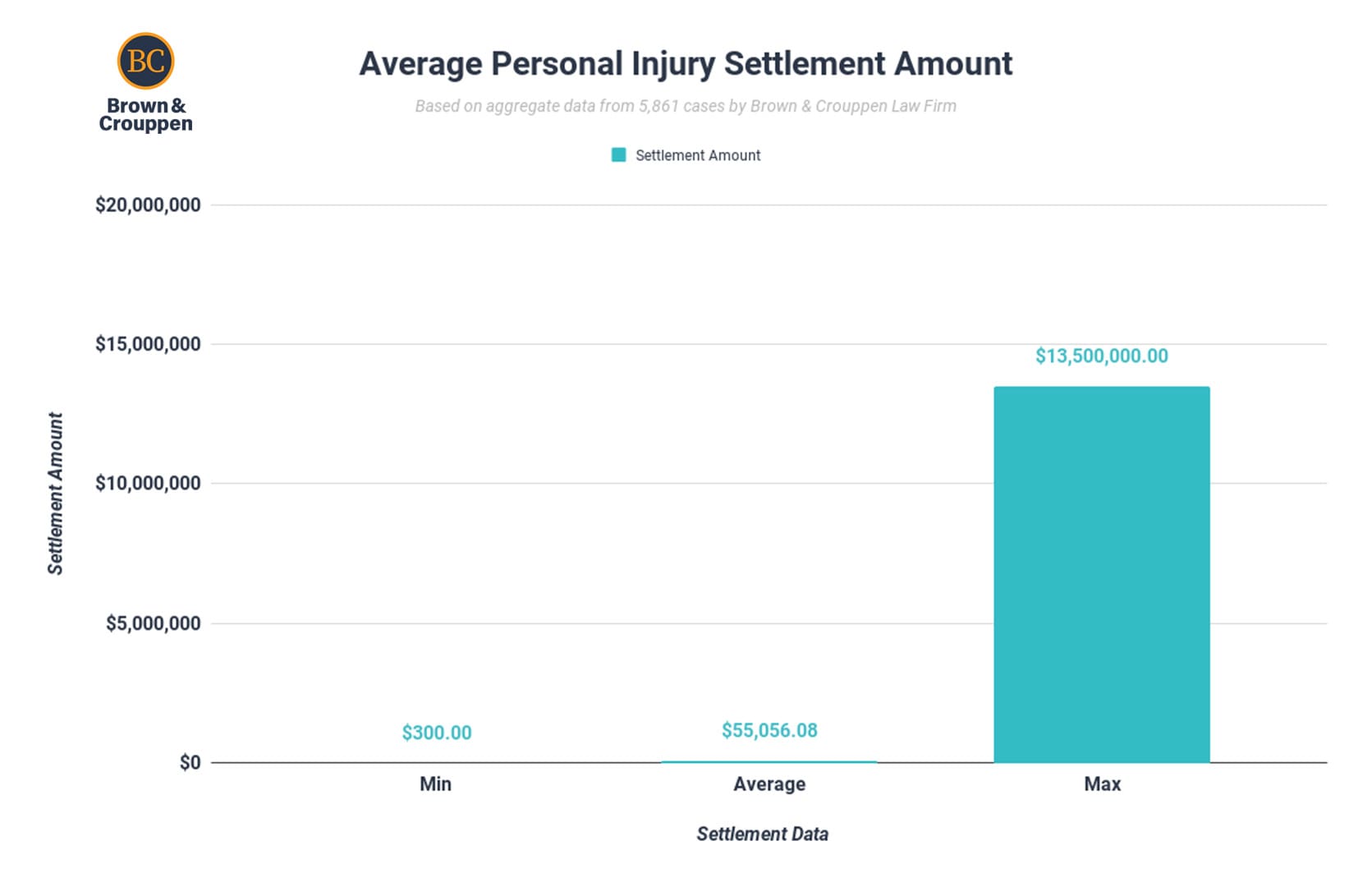
Many product liability cases end in out-of-court agreements. These settlements save time and reduce legal costs for both sides. Settlements often include compensation for injuries or damages without admitting fault.
Factors influencing settlements include the strength of evidence, potential trial costs, and the defendant’s willingness to resolve. Plaintiffs may accept settlements to avoid long, stressful trials. Defendants seek to limit negative publicity and unpredictable jury decisions.
| Aspect | Verdicts | Settlements |
|---|---|---|
| Duration | Long, can take months or years | Usually faster, weeks to months |
| Cost | Often higher due to court fees | Lower, avoids many court expenses |
| Outcome | Decided by jury or judge | Mutually agreed by parties |
| Publicity | Public record, media coverage | Usually private and confidential |
Key Takeaways
Consumers must watch for product warnings and recalls. Staying aware can prevent injuries and costly problems. Always keep receipts and product details for proof if needed. Understanding your rights helps when a product causes harm. Seek medical help quickly after an injury from a product. Document your injuries and damages carefully for any claim.
Businesses should test products thoroughly before selling. Clear instructions and warnings reduce risks and lawsuits. Quick response to complaints shows care and responsibility. Keeping good records helps in legal cases. Training staff to handle product safety is essential. Avoid shortcuts that may cause product defects.
The future points to stricter rules and safer products. Technology will improve product tracking and recalls. Laws may change to protect consumers better. Both consumers and businesses will benefit from stronger safety measures. Staying informed about laws and trends is very important.
Frequently Asked Questions
What Are Common Examples Of Product Liability Verdicts?
Common verdicts involve defects in design, manufacturing, or marketing. These include injuries from faulty machinery, dangerous drugs, and unsafe consumer goods. Verdicts often award damages for medical costs, pain, and lost wages.
How Do Product Liability Verdicts Impact Manufacturers?
Verdicts hold manufacturers accountable for unsafe products. They encourage better quality control and safety measures. Manufacturers may face large financial penalties and reputational damage from adverse verdicts.
What Factors Influence Product Liability Verdict Outcomes?
Courts consider product defects, evidence strength, and harm severity. Plaintiff credibility and expert testimony also matter. Clear proof of negligence or failure to warn boosts chances of a favorable verdict.
Can You Appeal A Product Liability Verdict?
Yes, either party can appeal if legal errors occurred. Appeals focus on trial procedure or interpretation of law, not factual disputes. The appeals court may affirm, reverse, or remand the verdict.
Conclusion
Product liability verdicts show how courts handle unsafe products. These cases help protect consumers from harm. They also remind companies to keep products safe. Understanding verdict examples can guide anyone facing similar issues. Each case tells a story about responsibility and justice.
Staying informed helps you recognize when to take action. Safety and fairness remain the key goals in these trials.
Read More
- Injury Medical Record Review: Essential Tips for Accurate Analysis
- Expert Medical Witness Fees: Ultimate Guide to Fair Pricing
- Civil Injury Lawsuit Process: Step-by-Step Guide to Win Your Case
- Independent Medical Exam Claim: Maximize Your Benefits Today
- Medical Malpractice Verdict Search: Uncover Winning Case Results Fast
- Average Lawsuit Settlement Value: What You Need to Know Today
- Personal Injury Verdict Amounts: Shocking Cases and Top Payouts
- Injury Settlement Demand Letter: Essential Tips for Maximum Compensation
- Workplace Injury Court Awards: Maximizing Your Compensation Today
- Future Medical Cost Damages: Maximizing Compensation Strategies