
Facing a legal dispute can feel overwhelming, especially when you’re unsure how to move forward without going to trial. That’s where pre-trial settlement negotiation comes in—a powerful tool that could save you time, money, and stress.
Imagine resolving your case before the courtroom drama even begins. But how do you navigate this crucial stage effectively? What should you say, and what should you avoid? You’ll discover key strategies and insider tips to help you negotiate confidently and increase your chances of a favorable outcome.
Keep reading to learn how to take control of your case and turn a potential trial into a smart settlement.
Pretrial Settlement Basics
A settlement conference is a meeting where both sides discuss the case. Usually, the plaintiff and defendant, with their lawyers, talk to find an agreement. The judge or a neutral person may help guide the talks. This helps avoid a long trial.
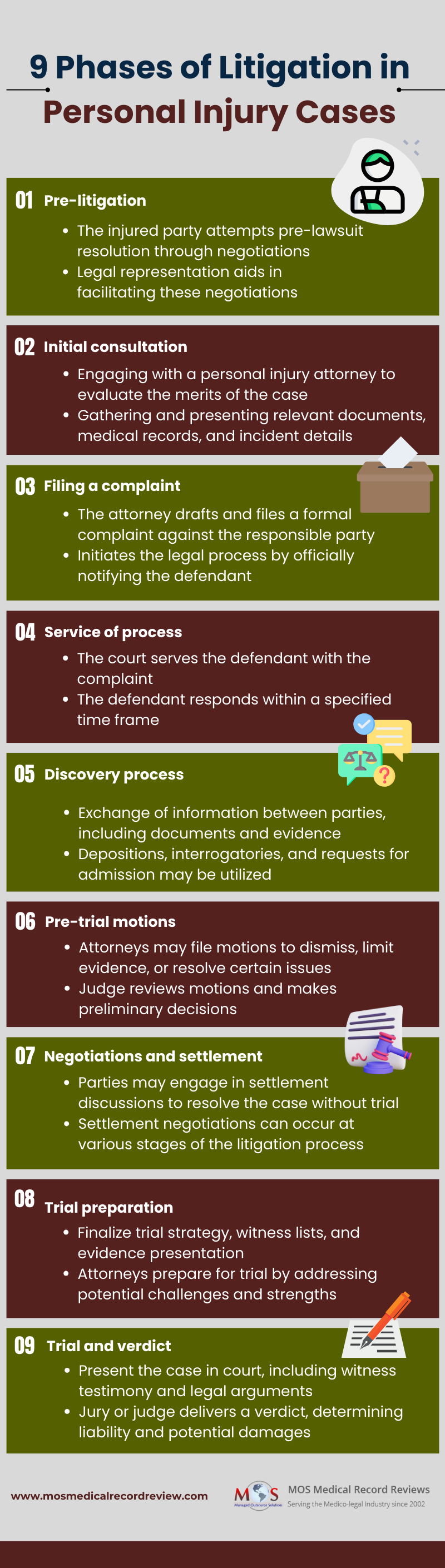
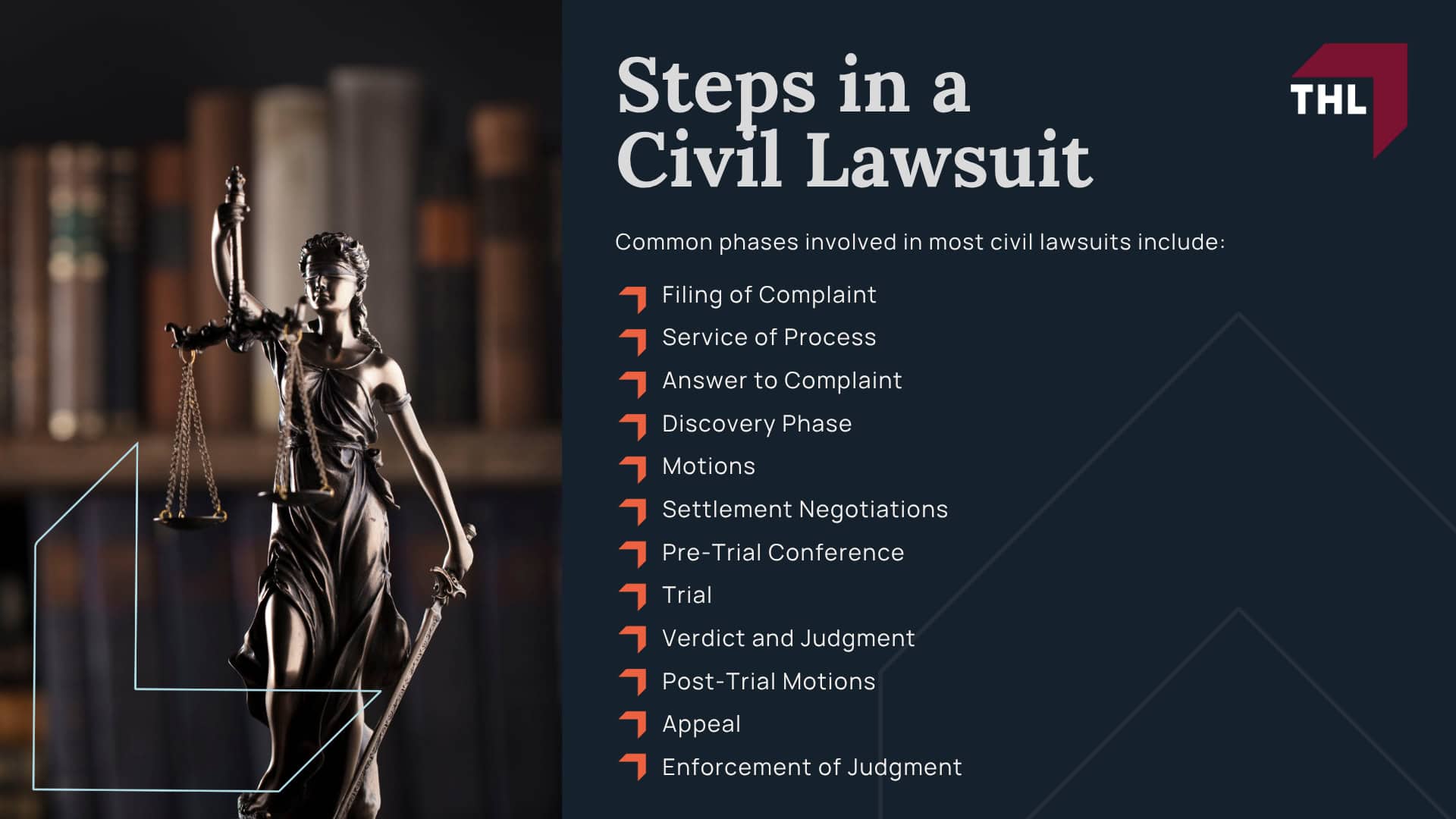
Negotiating settlements has clear stages:
- Preparation: Both sides gather facts and decide goals.
- Opening offers: Each side states what they want.
- Discussion: They share ideas and concerns.
- Compromise: Both sides adjust offers to find middle ground.
- Agreement: They write down the deal if both agree.
Common outcomes include:
- Full settlement, ending the case early.
- Partial agreement, with some issues left for trial.
- No agreement, so the case goes to court.
Key Negotiation Tactics
Starting early with opposing counsel helps build trust and opens communication. It allows both sides to understand concerns and priorities clearly. Early talks can spot issues that might block agreement later.
Identifying common ground means finding shared interests or facts both parties agree on. This creates a foundation for cooperation and reduces conflict. It also helps focus on solutions instead of problems.
Making strategic concessions means giving up small points to gain bigger benefits. It shows willingness to compromise and encourages the other side to do the same. Careful concessions can speed up settlement and avoid trial costs.
What To Avoid Saying
Avoid saying things that admit fault or blame. Statements like “I was wrong” or “It was my fault” can hurt your case. Do not promise to pay or offer money during talks unless advised by your lawyer. Avoid emotional outbursts or angry remarks. Stay calm and respectful at all times.
Focus on facts and keep your words clear. Do not make threats or insults. Avoid sharing too much personal information that is not relevant. Stick to the issues in the case. Let your lawyer handle sensitive topics and legal details.
Keep your tone professional. Use polite language. Listen carefully and do not interrupt. Showing patience helps build trust and respect during negotiations. Remember, your words can affect the final outcome.

Legal And Practical Benefits
Reducing litigation costs is a key benefit of pre-trial settlement negotiation. It helps avoid expensive court fees and lawyer charges. Settling early means saving money on long trials and expert fees. Parties often spend less on paperwork and court time, which lowers overall expenses.
Speeding up case resolution allows both sides to find a solution faster. Court trials can take months or years. Settlements end disputes quickly, giving relief sooner. This saves time for everyone involved and avoids long waits for court dates.
Maintaining privacy and control keeps details of the case out of public records. Trials are public, but settlements are private agreements. Parties can control terms and keep sensitive information confidential. This also helps protect reputations and business relationships.
When To Push For Trial
Unfavorable settlement offers often come with very low compensation. Accepting too soon might leave valuable claims unresolved. Sometimes, offers ignore key facts or evidence. It is important to carefully weigh these offers before deciding.
Settling too early can carry risks. It may mean giving up rights to more money later. Early settlements might not fully cover damages or expenses. They can also limit future legal options.
Balancing settlement with trial readiness requires good judgment. Preparing for trial takes time and resources. But being ready can strengthen your position. It also signals seriousness to the other side. This balance helps decide whether to push for trial or settle.
Preparing For Settlement Talks
Collecting all important documents helps prove your case clearly. Gather contracts, emails, receipts, and photos related to the issue. Organize these papers so they are easy to find during talks.
Set clear goals for what you want from the settlement. Decide on your best outcome and your lowest acceptable offer. Knowing these limits keeps talks focused and fair.
Choose a strong negotiation team. Include people who know the facts well and can speak calmly. A good team listens carefully and builds trust with the other side.
Post-settlement Steps
Drafting and reviewing agreements is a key step after settlement. Both parties must carefully read the terms. Any unclear points should be clarified before signing. This helps avoid future problems.
Ensuring compliance and enforcement means checking if both sides follow the agreement. If one side breaks the rules, legal action may be needed. Keeping records of all actions is important for proof.
Planning for potential appeals prepares for cases where one side is unhappy. Appeals can delay final resolution. Knowing the appeal process early helps manage expectations and deadlines.
Frequently Asked Questions
What Should I Not Say During Settlement?
Avoid admitting fault, revealing weaknesses, or making emotional statements during settlement. Do not disclose irrelevant personal information or threaten the other party. Stay factual, calm, and focused on negotiation goals to protect your interests and achieve the best outcome.
How Much Will I Get From A $50,000 Settlement?
The amount you receive from a $50,000 settlement depends on legal fees, taxes, and any outstanding debts. Typically, you keep 60-80%.
Do Cases Get Dropped At Pretrial?
Yes, cases can get dropped at pretrial if parties reach a settlement or the prosecutor dismisses charges. Courts encourage early resolution.
Is It Worth Negotiating A Settlement Agreement?
Negotiating a settlement agreement often saves time, reduces legal costs, and avoids trial risks. It can provide faster, more certain outcomes tailored to your needs.
Conclusion
Pre-trial settlement negotiation saves time and reduces court costs. It lets both sides avoid the stress of trial. Clear communication helps reach fair agreements faster. Understanding key points strengthens your position during talks. Settling early can protect relationships and offer certainty.
Always prepare well and stay open to compromise. This process often leads to better outcomes for all involved.
Read More
- Product Liability Verdict Examples: Shocking Wins & Key Insights
- Injury Medical Record Review: Essential Tips for Accurate Analysis
- Expert Medical Witness Fees: Ultimate Guide to Fair Pricing
- Civil Injury Lawsuit Process: Step-by-Step Guide to Win Your Case
- Independent Medical Exam Claim: Maximize Your Benefits Today
- Medical Malpractice Verdict Search: Uncover Winning Case Results Fast
- Average Lawsuit Settlement Value: What You Need to Know Today
- Personal Injury Verdict Amounts: Shocking Cases and Top Payouts
- Injury Settlement Demand Letter: Essential Tips for Maximum Compensation
- Workplace Injury Court Awards: Maximizing Your Compensation Today